

Nevada Child Support Laws Get Massive Overhaul
Nevada just updated its child support laws. If you’re paying child support, receiving it, or dealing with a custody arrangement, these changes affect you directly. The reforms to Nevada Child Support Laws represent the biggest update in decades. The state modernized outdated formulas, fixed problems with shared custody calculations, and made the system fairer for parents who split time more evenly. What this means is that thousands of existing child support orders may no longer reflect what parents should actually be paying under the new rules. Here’s what happened and what you need to know.
Overview of Child Support Laws in Nevada
Child support exists for one reason: making sure kids get financial support from both parents, regardless of who has custody. Under Nevada Child Support Laws, both parents have a legal responsibility to support their children financially. The way it works is straightforward: the parent without primary physical custody of the child typically pays a percentage of their income to the parent who has the kids most of the time. These payments cover basics like housing, food, clothing, school expenses, and medical support. Nevada Revised Statutes Chapter 125B lays out the framework. The Department of Health and Human Services handles enforcement. When parents don’t pay what they owe, the Division of Health and Human Services steps in with collection tools ranging from wage garnishment to license suspension. The court order that establishes child support isn’t just a suggestion; it’s enforceable. But for years, the formulas determining those payment amounts hadn’t kept pace with how modern families actually live.

What Prompted the Overhaul of Nevada Child Support Laws?
The old system had real problems that affected everyday families trying to do right by their kids:
- The formulas were outdated. They were written for a world where most people had traditional W-2 jobs with steady paychecks. That doesn’t describe a lot of Nevada workers anymore. Gig economy workers, self-employed parents, people with multiple income streams: the old system struggled to calculate fair amounts for any of them.
- Joint custody parents were getting squeezed. A parent with the kids 40% of the time paid the same amount as a parent who only saw their children every other weekend. That parent with 40% custody was paying full child support while also feeding, housing, and clothing the kids during their own parenting time. The math didn’t add up, and families knew it.
- Medical insurance was a mess. Who pays the premium? How do you split uncovered expenses? The previous Child Support Laws Nevada system didn’t give clear answers, which meant families ended up back in court fighting over medical bills.
- Federal requirements changed. Washington updated its child support standards. Nevada had to modernize to keep federal funding for enforcement programs. But state legislators used that requirement as an opportunity to fix longstanding problems with the system.
The result? A complete overhaul of how Nevada Child Support Laws calculate obligations, allocate costs, and handle shared custody situations.
Key Changes to Nevada Child Support Laws
The reforms touch almost every aspect of how child support works in Nevada.
Updates to Child Support Calculation Guidelines
The new child support guidelines use more sophisticated formulas that account for both parents’ economic circumstances and how much time each spends with the kids. Under the updated NRS 125B.145, courts apply calculations that look at the income of both households, not just the payor’s income. The system ensures the adjustment does not exceed the total obligation of the other party in ways that would be unfair or unsustainable. Simply put, if both parents make similar incomes and share custody pretty evenly, the new system won’t force one parent to shoulder a disproportionate burden just because they have the kids 51% of the time instead of 49%.
Changes in How Income Is Defined
The reforms expanded what counts as income for child support purposes. The old system let some parents game the numbers by hiding income in certain categories. Not anymore. The new Child Support Laws in Nevada count:
- Regular wages and salary
- Self-employment income and business profits
- Bonuses, commissions, and overtime
- Rental income from investment properties
- Investment returns and dividends
- Most Social Security benefits
- Unemployment and workers’ compensation
- Disability payments
If you’re earning it, it counts. The broader definition reflects reality; parents support children from all their financial resources, not just paychecks.
Adjustments for Parenting Time and Custody Arrangements
This is where the reforms make the biggest difference for families with shared custody. When parents have joint physical custody, meaning each parent has the child at least 40% of the time, the court now applies a modified calculation. The system recognizes that the parent paying child support is also directly covering the child’s expenses during their own parenting time. The formula accounts for the specific needs of the child, the ability to pay each parent, and the actual time split. If you have joint physical custody, you’re no longer paying as if the other parent shoulders all the daily costs of raising your kids. The changes also address situations involving an additional child from another relationship. The court considers all child support obligations to ensure payments remain fair and sustainable across multiple families.
Medical Insurance and Childcare Cost Allocation
The updated Nevada Child Support Laws finally provide clear rules for splitting healthcare and childcare costs. The court order now specifies exactly who maintains health insurance for the child and how the premium gets divided. The split is based on each parent’s proportional income: if one parent earns 60% of the combined income, they typically pay 60% of the medical costs. Uncovered medical expenses work the same way. Need to take your child to a specialist? Braces? Emergency room visit? The percentage split is already established in your child support order, which eliminates disputes about who owes what. Childcare costs necessary for work or education get allocated the same way. If you need daycare so you can work, those costs are shared according to income proportions, not split arbitrarily or dumped entirely on one parent.

Child Support Enforcement in Nevada
The Child Support Laws Nevada enforcement system has teeth. When parents don’t pay what a court order requires, the Division of Health and Human Services uses several tools:
- Wage withholding from paychecks or other income
- Tax refund interception at both state and federal levels
- License suspension (driver’s licenses, professional licenses, even hunting and fishing licenses)
- Credit bureau reporting that damages credit scores
- Contempt of court proceedings that can result in fines or jail time
The enforcement system works. But the reforms also made it easier for parents experiencing genuine financial hardship to seek modification through filing a motion to modify their child support order. If your circumstances have changed significantly, the system provides a pathway to adjust your obligation legally instead of just not paying.
Modifying Child Support After the Overhaul
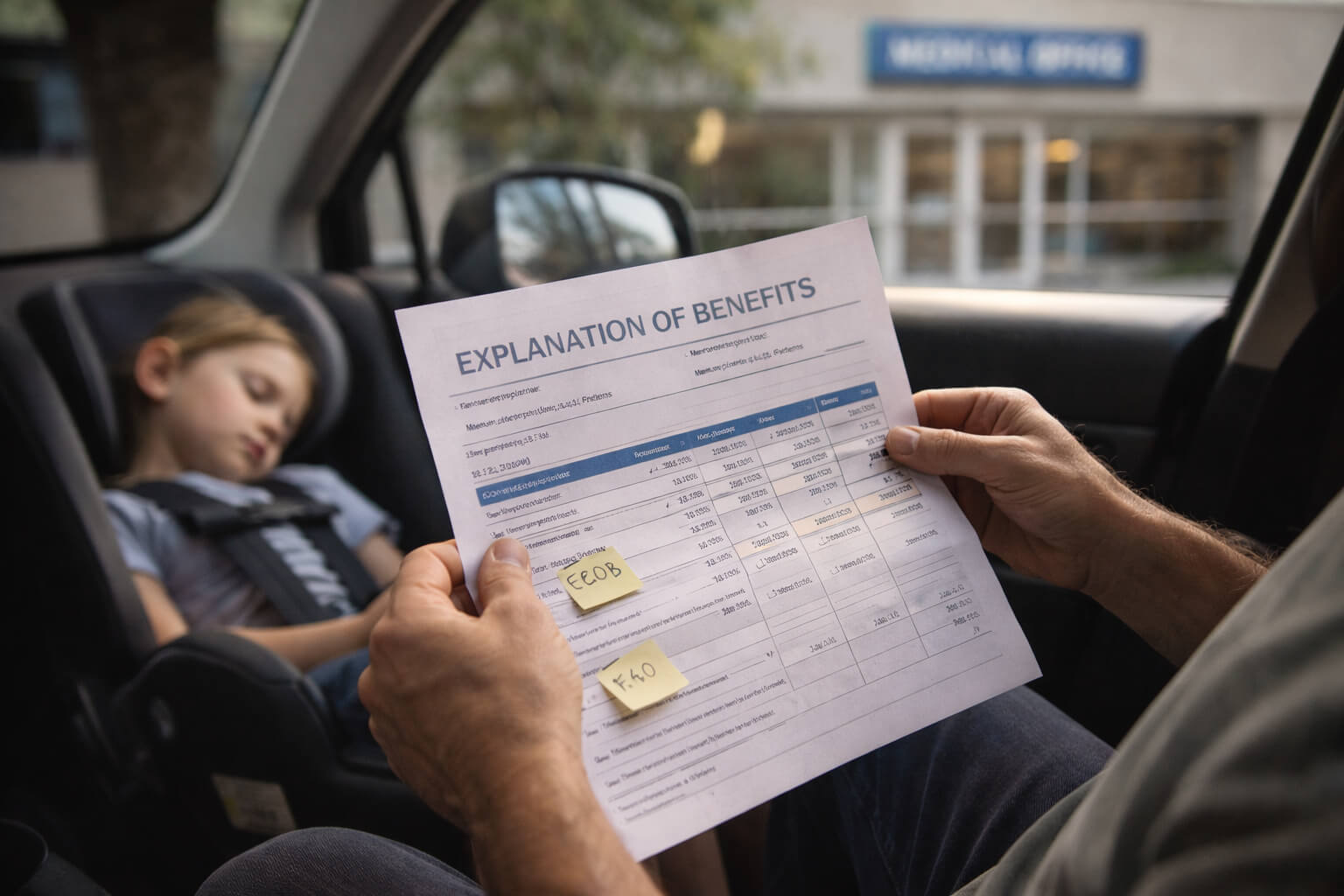
Here’s something many parents don’t realize: the reforms don’t automatically change existing orders. If your child support was set years ago under the old rules, it stays in effect until someone files to modify it. You can seek modification by filing a motion to modify with the court that issued your original order. The court will look at whether circumstances have changed enough to justify an adjustment. Common reasons to modify child support under the new Nevada Child Support Laws:
- Major income changes for either parent
- Changes to custody arrangements or parenting time
- A child reaches the age where support obligations end
- Changes in medical insurance or childcare costs
- Birth or adoption of an additional child
The new system evaluates these requests using the updated formulas, which often results in different amounts than the old calculations would have produced. If you have joint physical custody but your current order was calculated as if you barely saw your kids, you may qualify for a substantial adjustment.

What Parents Should Do Now
Don’t just assume your current child support order still makes sense under the reformed system. Review current child support orders. Pull out your existing order and look at when it was established and what formula the court used. If it predates the reforms, the calculation method may be outdated. Understand how the new laws may impact payments. If your situation involves shared custody, variable income, or ambiguous medical expense allocation, the reforms likely affect you. Run the numbers under the new guidelines to see if you’re paying significantly more or less than the updated formulas would calculate. Keep financial documentation updated. Whether you’re paying or receiving child support, maintain detailed records of all income sources. The broader income definition means courts will want comprehensive financial pictures from both parents. Consider legal guidance when disputes or changes arise. The new Child Support Laws introduce complexities that benefit from professional interpretation. An attorney who handles family law regularly can evaluate whether your situation warrants a modification filing and what outcome you can reasonably expect. The Division of Welfare and Supportive Services provides resources for parents, but they can’t give legal advice about your specific situation. When substantial money is at stake or custody arrangements have changed, consulting with an experienced family law attorney makes sense.

How Drizin Law Can Help Navigate These Changes
We’ve been handling child support cases in Nevada for over 30 years. We saw the problems with the old system every day. Parents paying amounts that didn’t reflect their actual circumstances, shared custody situations that got treated like sole custody, medical expenses that created constant conflict. The reforms fix many of those issues, but they also create opportunities for parents whose existing orders don’t reflect the new, fairer calculations.
At Drizin Law, we help parents:
- Evaluate whether existing orders should be modified under the new guidelines
- Calculate what child support amounts should be under the reformed formulas
- File modification motions and present strong cases to the court
- Resolve disputes about income calculation, especially for self-employed parents
- Clarify medical support and childcare cost allocation
- Handle enforcement actions when former partners aren’t following court orders
Many of our clients come to us when child support intersects with custody changes, remarriage, or significant life changes affecting their ability to pay. The reformed system provides more flexibility to address these situations fairly. For assistance with Nevada Child Support Laws matters, contact Drizin Law at 702-798-4955 .
Frequently Asked Questions
Do the new Nevada Child Support Laws automatically change my existing order?
No. Your current child support order remains in effect until you or the other parent files a motion to modify it. The new laws don’t automatically recalculate existing obligations.
What income sources count under the new child support guidelines?
Almost everything. Wages, self-employment income, bonuses, rental income, investment returns, Social Security benefits, unemployment, workers’ compensation, and disability payments all count toward child support calculations.
How does joint physical custody affect child support now?
When each parent has the child at least 40% of the time, courts apply modified calculations that account for both parents’ incomes and the time each spends with the child. This typically results in lower payments than the old system required.
Can I modify my child support if my income changed?
Yes. Significant, ongoing income changes qualify as grounds for modification. File a motion to modify with the court, and present current financial documentation showing the change in circumstances.
How are medical expenses divided under the reformed system?
The court order specifies who maintains health insurance and how costs are split based on each parent’s proportional share of combined income. If one parent earns 65% of total income, they typically pay 65% of medical costs.
Conclusion
The overhaul of Nevada Child Support Laws brings the system into alignment with how modern families actually live. Shared custody arrangements get fairer treatment. Income calculations capture the full economic picture. Medical and childcare costs are allocated clearly. But these improvements don’t happen automatically. Parents with existing orders need to evaluate whether their current arrangements still make sense under the reformed guidelines. When circumstances have changed (income, custody, or family structure), the new system often supports different payment amounts than the old formulas produced. Understanding these changes and knowing when to seek modification can make a substantial difference in your child support obligations. The reformed Child Support Laws provide tools for fairer outcomes, but parents need to use them.