

Probate Sale: Basic Things You Need To Know
When a loved one passes away and leaves behind real estate, families often wonder what happens next. If that property must go through probate, the result may be a probate sale. Understanding what is a probate sale, how it works, and what makes it different from a traditional real estate transaction can help buyers, sellers, and heirs navigate the process with greater confidence and fewer surprises.
A probate sale occurs when real estate owned by a deceased person must be sold as part of settling their estate. The probate court supervises the process to ensure that debts are paid and assets are distributed according to Nevada law. For families dealing with loss, the probate sale meaning extends beyond a simple transaction—it represents a legal process designed to protect everyone involved while honoring the wishes of the deceased person.
What Is a Probate Sale?
A probate sale is the court-supervised sale of real estate that belonged to someone who has died. When a property owner passes away, their estate enters the Nevada probate process, where the court oversees the collection of assets, payment of debts, and distribution of what remains to heirs or beneficiaries.
Unlike a traditional home sale, a probate sale requires court approval and follows specific legal procedures outlined in Nevada Revised Statutes Chapter 148. The executor or administrator of the estate manages the sale, but the probate court maintains oversight to ensure the process protects the interests of creditors, heirs, and the estate itself.
The probate sale meaning becomes clearer when you understand its purpose: to convert the deceased person’s real estate into liquid assets that can be used to pay debts, taxes, and administrative expenses before distributing the remaining value to beneficiaries. This legal process ensures transparency and fairness for everyone with a stake in the estate.
When Is a Probate Sale Required?
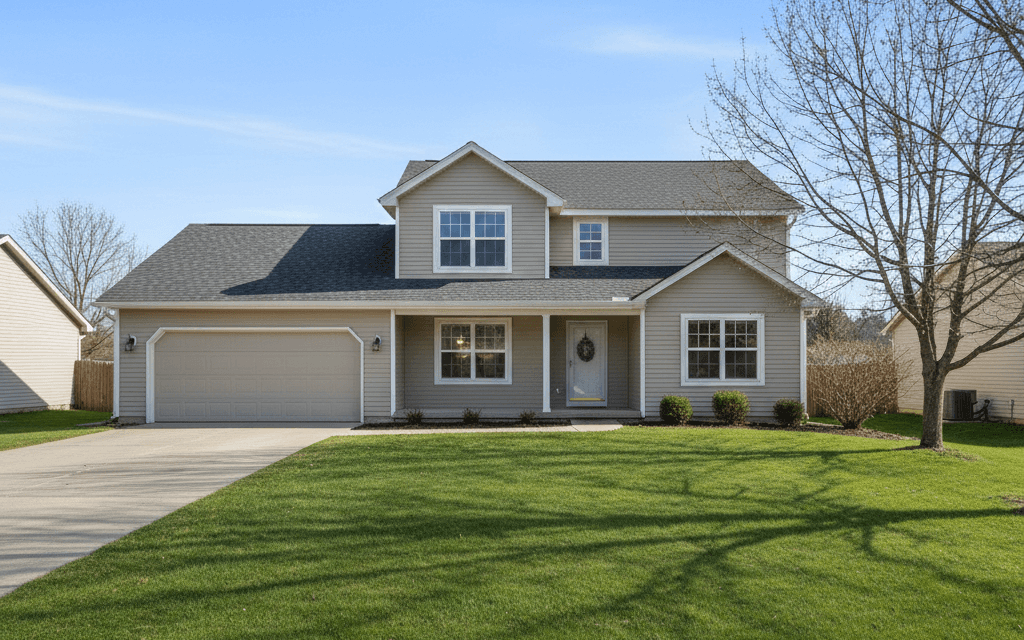
A probate sale becomes necessary when several conditions align. First, the deceased person must have owned real estate in their individual name at death. Property held in a living trust, joint tenancy with right of survivorship, or with transfer-on-death designations typically avoids probate entirely.
Second, the estate must require liquidation of the property. This often happens when the estate needs cash to pay debts, when family members cannot agree on who should inherit the property, or when the will specifically directs the executor to sell rather than distribute the real estate directly to heirs.
Nevada law also requires the sales when the deceased person died without a will (intestate) and the heirs prefer to sell rather than take ownership. Additionally, when estate debts exceed liquid assets, the court may order a probate sale to satisfy creditor claims before any distribution to beneficiaries.
How the Probate Sale Process Works (Step-by-Step)
The probate sale process follows a structured legal framework that protects all parties while ensuring proper handling of the deceased person’s property.
Step 1 – Opening Probate
The process begins when an interested party files a petition with the probate court to open the estate. The court appoints an executor (if there’s a will) or an administrator (if there’s no will) to manage the estate. This personal representative gains legal authority to handle estate assets, including real estate.
For estates in Clark County, Nevada, probate proceedings typically occur at the Regional Justice Center in Las Vegas. The court issues Letters Testamentary or Letters of Administration, which provide the personal representative with the legal authority needed to sell probate property.
Step 2 – Property Valuation & Listing
Before listing the probate property, the personal representative must obtain a professional appraisal to establish fair market value. This valuation protects the estate from accusations of selling below market value and helps establish a reasonable asking price.
Once valued, the property is listed with a real estate agent experienced in probate sales. These transactions differ from traditional real estate sales because they require specific disclosures and follow court-mandated procedures. The listing should clearly identify the property as a probate sale so potential buyers understand the unique aspects of the transaction.
Step 3 – Accepting an Offer
When a buyer submits an offer, the personal representative reviews it and, if acceptable, signs a purchase agreement. However, unlike a traditional home sale, this agreement remains contingent on court approval. The personal representative cannot finalize the sale without judicial authorization.
Nevada law requires the personal representative to act in the estate’s best interests, which means accepting offers that provide fair value and favorable terms. Real estate investors and prospective buyers should understand that their offer may face competition even after acceptance.
Step 4 – Court Confirmation (If Required)
Not all probate sales require court confirmation, but many do. Nevada distinguishes between sales requiring confirmation hearings and those that can proceed with less court oversight. When confirmation is required, the court schedules a hearing where the judge reviews the proposed sale.
At the confirmation hearing, other potential buyers may submit overbids—higher offers that can supersede the original accepted offer. This court supervises process ensures the estate receives fair value but creates uncertainty for the initial buyer. Overbid increments and procedures follow specific court rules that vary by jurisdiction.
Step 5 – Closing the Probate Sale
Once the court approves the sale, the transaction proceeds to closing much like a traditional real estate transaction. The buyer completes financing, title work is finalized, and ownership transfers to the new owner. The sale proceeds become part of the estate and are used to pay debts, administrative expenses, and ultimately distributed to heirs according to the will or Nevada intestacy laws.
The personal representative must account for the sale proceeds and include this information in the estate’s final accounting submitted to the probate court.

Buying a Home Through a Probate Sale
For prospective buyers, probate sales present unique opportunities and challenges that differ significantly from traditional real estate transactions.
Pros of Buying a Probate Sale Property
It often offer below-market prices because personal representatives and family members may prioritize a quick sale over maximizing price. This creates opportunities for real estate investors and buyers willing to navigate the probate process.
Additionally, probate properties are often sold “as-is,” which can benefit buyers who have renovation skills or contractor connections. These properties may have been neglected before the owner’s death, presenting opportunities to build equity through improvements.
The structured nature of court-supervised sales also provides transparency and legal protection for buyers. The probate court’s oversight reduces the risk of title issues or fraudulent transactions that can occasionally occur in private sales.
Cons and Risks for Buyers
The most significant drawback for buyers is the extended timeline. The probate process can take months or even longer, creating uncertainty and potentially tying up a buyer’s earnest money deposit for an extended period. Buyers who need to relocate quickly or have tight financing deadlines may find this timeline unworkable.
Court confirmation hearings introduce the risk of overbidding, where another buyer can submit a higher offer even after the seller accepts your initial offer. This uncertainty frustrates buyers who thought they had secured the property.
Additionally, probate sales typically offer limited seller disclosures. Because the deceased person cannot provide information about the property’s condition or history, buyers must conduct thorough due diligence. The home inspection becomes especially critical in here.
Financing contingencies may also face more scrutiny. Lenders understand that probate sales take longer and may require different underwriting approaches than traditional home sales.
Selling a Home Through a Probate Sale
For executors and administrators, managing a probate sale requires careful attention to legal duties and practical considerations.
The personal representative must maintain the probate property throughout the sale process, which includes securing insurance, paying property taxes, performing necessary maintenance, and protecting the property from vandalism or deterioration. These responsibilities continue until the sale closes.
Court supervision creates a fiduciary duty to act in the estate’s and heirs’ best interests. This means accepting reasonable offers, marketing the property appropriately, and documenting all decisions. Personal representatives who fail to meet these obligations risk personal liability.
Managing repairs and property maintenance requires balancing the estate’s financial resources against the need to present the property attractively to buyers. Major repairs may require court approval before proceeding, especially if they require significant estate funds.
The personal representative must also navigate competing interests among family members, who may disagree about sale price, timing, or whether to sell at all. Clear communication and documentation help prevent disputes that could delay the sale or result in court challenges.
Distribution of proceeds follows a specific priority: first to pay estate administration costs and debts, then to satisfy tax obligations, and finally to distribute remaining funds to heirs according to the will or Nevada intestacy law.
Probate Sale vs. Trust Sale: What’s the Difference?
Understanding the difference between a probate sale and a trust sale helps clarify why proper estate planning matters.
A trust sale occurs when real estate is held in a revocable living trust. When the grantor dies, the successor trustee can sell the property without court involvement. This process typically moves faster, costs less, and provides more privacy than a probate sale.
Trust sales avoid the court confirmation process, allow the successor trustee to accept offers and close sales according to standard real estate timelines, and keep the transaction details private rather than part of public court records.
In contrast, probate sales require court filing, judicial oversight, public disclosure of estate assets, and compliance with statutory requirements that extend timelines and increase administrative costs.
For heirs and buyers alike, trust sales provide efficiency and privacy that probate sales cannot match. This distinction underscores the value of comprehensive estate planning that includes trust creation.
How Long Does a Probate Sale Take?
The probate sale timeline varies based on several factors, but families should expect the process to take several months at minimum.
Opening probate and obtaining Letters of Administration or Letters Testamentary typically takes 30-60 days after filing the petition. Property valuation, listing, and finding a qualified buyer adds another 30-90 days depending on market conditions and property desirability.
Once an offer is accepted, court confirmation (if required) adds 30-45 days. The confirmation hearing must be properly noticed to interested parties, and the court’s calendar may create additional delays.
After court approval, closing typically takes 30-45 days, similar to traditional real estate transactions. However, complications such as title issues, buyer financing problems, or disputes among heirs can extend this timeline significantly.
In total, straightforward probate sales often take 4-6 months from opening probate to closing. Complex estates, contested matters, or properties in poor condition may require 9-12 months or longer.
For families dealing with the Nevada probate process, understanding these timelines helps set realistic expectations and plan accordingly.
Do You Need a Probate Attorney for a Probate Sale?
While Nevada law does not require personal representatives to hire an attorney, the complexity and potential liability associated with probate sales make legal guidance invaluable.
An experienced Nevada probate attorney ensures compliance with all statutory requirements, protects the personal representative from liability, handles court filings and appearances, navigates disputes among heirs or creditors, and ensures proper distribution of sale proceeds.
For personal representatives unfamiliar with real estate transactions or Nevada probate law, attempting to manage a probate sale without legal counsel increases the risk of costly mistakes. Court rejection of sale terms, challenges from heirs, or violations of fiduciary duties can result in personal liability for the executor or administrator.
At Drizin Law, our attorneys bring decades of experience helping families navigate the Nevada probate process. We work closely with personal representatives to ensure compliance with all legal requirements while protecting estate assets and minimizing delays.
Frequently Asked Questions About Probate Sales
Can heirs live in the property during probate?
Nevada law allows heirs to occupy probate property with the personal representative’s permission, but they must typically pay fair market rent to the estate. Living rent-free could be considered an advance distribution that affects their final inheritance.
Can a probate sale fall through?
Yes. It can fail for the same reasons as traditional real estate transactions—buyer financing issues, title problems, or failed inspections. Additionally, court refusal to confirm the sale or successful overbids during confirmation hearings can terminate an accepted offer.
Are probate sale prices negotiable?
Yes, but the personal representative must act in the estate’s best interests. Lowball offers that don’t reflect fair market value may be rejected or challenged by heirs. The court’s oversight ensures the estate receives reasonable value for its assets.
Who pays closing costs in a probate sale?
Closing costs are negotiable like any real estate transaction. However, Nevada custom typically has buyers and sellers sharing costs according to local practice. The purchase agreement specifies who pays which costs, subject to court approval.
Conclusion
Understanding what is a probate sale and how the process works helps buyers, sellers, and heirs navigate this unique type of real estate transaction. While it presents both opportunities and challenges, the court-supervised process provides legal protections that benefit all parties.
For personal representatives managing probate property, working with experienced legal counsel ensures compliance with Nevada law and protects against potential liability. For buyers considering a probate sale, patience and proper due diligence can yield rewarding investment opportunities.
The attorneys at Drizin Law have helped Nevada families navigate probate sales for more than 30 years. Whether you need guidance as a personal representative or advice about purchasing probate property, we provide the knowledge and support necessary to achieve your goals while protecting your interests. Contact us today to discuss your probate sale needs.